Türkçe
 Deutsch
 Русский
 عربي
- Home
- › Blog
- › Tourism Guide
- › How Does Correct Tire Pressure Affect Driving Safety?
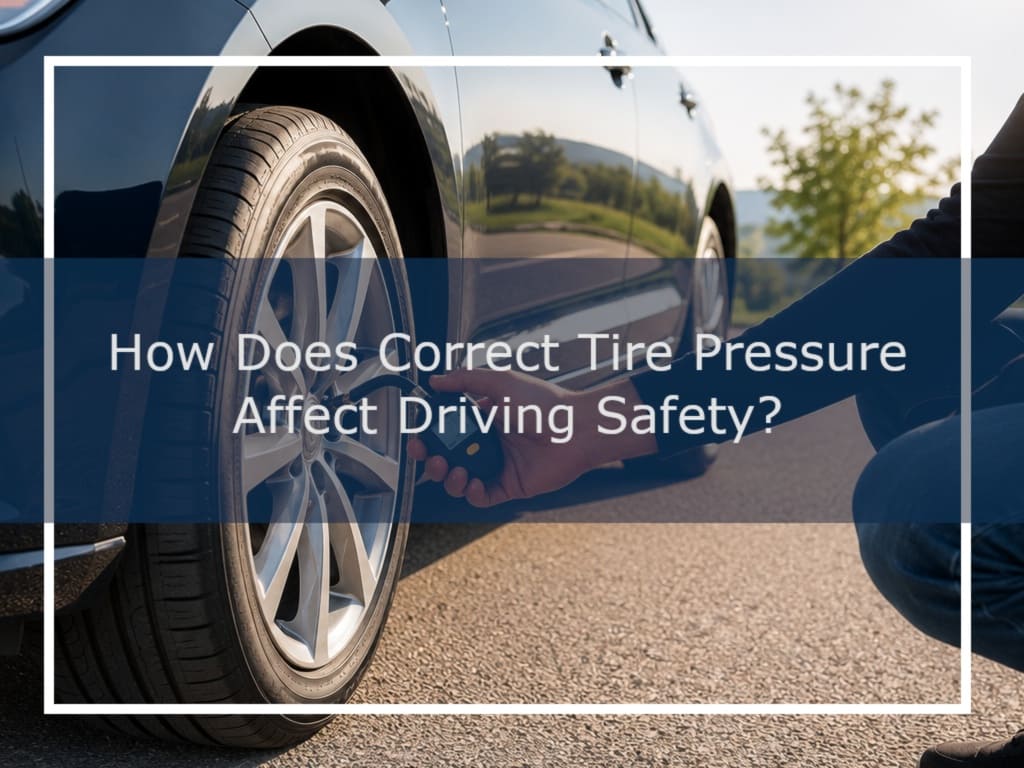
How Does Correct Tire Pressure Affect Driving Safety?
Tyres are among the most important parts of a vehicle because they are the only components in direct contact with the road. Their ability to maintain balanced contact with the road surface largely depends on having the correct air pressure. Tyre pressure that is either below or above the recommended level can affect steering control, driving comfort, fuel consumption and tyre lifespan.
For this reason, checking tyre pressure should not be considered something that only needs to be done before a long journey. Regular checks help the vehicle move more steadily and support a more comfortable driving experience for both the driver and passengers.
What Is Tyre Pressure?
Tyre pressure refers to the level of air pressure inside a tyre. It is generally measured in PSI or bar. Since vehicles differ in weight, tyre size and technical specifications, the recommended pressure level can vary from one model to another.
There is therefore no single tyre pressure value suitable for every vehicle. You can find the recommended pressure for your car on the label inside the driver’s door, near the fuel cap or in the owner’s manual. It is also worth remembering that some vehicles may have different recommended values for the front and rear tyres.
How Does Correct Tyre Pressure Affect Driving Safety?
Tyres with the correct pressure help the vehicle maintain balanced contact with the road. This allows steering movements to feel more controlled, supports stability when cornering and helps the vehicle respond more predictably while driving.
When tyre pressure differs from the recommended level, the way the tyre meets the road surface may change. The importance of correct pressure becomes even more noticeable during sudden braking, on winding roads, at higher speeds and in rainy weather.
It Supports Steering Control
Correct tyre pressure helps steering movements transfer to the road more evenly. When the pressure is too low, the steering may feel heavier and the vehicle may respond more slowly than usual. A noticeable pressure difference between the tyres can also affect driving balance.
If the steering feels different from normal or the vehicle does not move steadily on a straight road, checking the tyre pressures can be a useful first step.
It Contributes to Balanced Road Grip During Braking
Braking performance does not depend solely on the braking system. The overall condition of the tyres, tread depth and air pressure also play an important role as the vehicle slows down. Correct pressure helps the tyre maintain suitable contact with the road and supports vehicle balance during braking.
This becomes especially important on wet and slippery roads. In rainy weather, drivers should reduce their speed, increase the following distance and avoid sudden steering movements. For more advice, you can read our guide on how to drive safely in rainy weather.
It Supports Tyre Balance on Long Journeys
Tyres with pressure below the recommended level may flex more while the vehicle is moving. This can cause them to become warmer during longer journeys and may reduce driving comfort.
Before setting off on a long trip, checking the tyre pressures and their general appearance alongside the fuel level helps make the journey more comfortable and better organised.
How Does Low Tyre Pressure Affect a Vehicle?
When the amount of air inside a tyre falls below the recommended level, the part of the tyre in contact with the road may change. The tyre sidewalls may flex more while driving, and rolling resistance can increase.
The main effects of low tyre pressure may include:
- Heavier steering response
- Reduced balance when cornering
- Increased fuel consumption
- Uneven tyre wear
- Higher tyre temperatures on long journeys
- More effort being required to move the vehicle
Tyres may appear normal from the outside even when the pressure is below the recommended level. Using a suitable tyre pressure gauge therefore provides a more accurate result than relying only on a visual check.
How Does High Tyre Pressure Affect Driving?
Tyre pressure that is higher than necessary can also affect driving comfort and the tyre’s contact with the road. An overinflated tyre may have a smaller contact area and can make the vehicle feel more sensitive to potholes, speed bumps and uneven road surfaces.
Excessive pressure may also cause the centre of the tyre to wear more quickly. Tyres should not be inflated above the manufacturer’s recommended level in an attempt to make them feel firmer or reduce fuel consumption.
Does Tyre Pressure Affect Fuel Consumption?
Tyres with low pressure can create greater rolling resistance as the vehicle moves. When the engine needs to work harder to move the vehicle, fuel consumption may also increase. Regular tyre pressure checks can therefore support both balanced driving and more efficient fuel use.
Tyre pressure is not the only factor that affects fuel consumption. Sudden acceleration, high speeds, carrying excessive weight, frequent air-conditioning use and general driving habits can also influence how much fuel a vehicle uses. Tyre pressure, however, is one of the basic factors drivers can check easily.
What Should the Correct Tyre Pressure Be?
The correct tyre pressure varies according to the vehicle’s make and model, the tyre size and the load being carried. For this reason, general figures found online should not be used instead of the pressure values specified by the vehicle manufacturer.
You can usually find the recommended tyre pressure in the following places:
- On the label inside the driver’s door
- On the door pillar
- Inside the fuel cap
- In the vehicle owner’s manual
The PSI value printed on the sidewall of a tyre generally indicates the maximum pressure the tyre can support. It should not be treated as the recommended pressure for everyday driving.
How to Check Tyre Pressure
1. Measure the Pressure When the Tyres Are Cold
As a vehicle is driven, the air inside the tyres becomes warmer and the pressure temporarily rises. For a more accurate measurement, check the tyres before the vehicle has been used for a long period or after only a short drive.
2. Find the Manufacturer’s Recommended Value
Before taking a measurement, check the label inside the vehicle door or consult the owner’s manual. If different values are given for the front and rear tyres, adjust each tyre according to its own recommended pressure.
3. Use a Reliable Pressure Gauge
Remove the tyre valve cap and place the pressure gauge firmly onto the valve. Compare the reading shown on the device with the pressure level recommended by the vehicle manufacturer.
4. Adjust the Air Level
If the pressure is low, add the appropriate amount of air. If the value is too high, release a small amount in a controlled way. Measure the pressure again afterwards to confirm that the correct level has been reached.
5. Check Every Tyre Separately
Do not check only the tyre that appears to have a different pressure. Measure all four tyres individually. If the vehicle has a spare tyre, checking its pressure before a long journey can also be useful.
How Often Should Tyre Pressure Be Checked?
Checking tyre pressure approximately once a month is a useful habit. Additional checks can also be carried out before a long journey, after the vehicle has not been used for an extended period, during seasonal changes or when the vehicle will be carrying more weight than usual.
Before a long trip, the tyres, fluid levels, lights and essential driving equipment should be reviewed together. For more travel preparation advice, take a look at our article about car rental and enjoying long journeys.
Does Air Temperature Change Tyre Pressure?
The air inside a tyre is affected by changes in temperature. When the weather becomes colder, tyre pressure may decrease, while warmer temperatures can cause it to rise. This is one reason why a tyre pressure warning may appear on the dashboard during the transition into autumn or winter.
During seasonal changes, it is better to measure the pressure while the tyres are cold and compare the reading with the manufacturer’s recommended values rather than adding air without checking.
What Should You Do If the Tyre Pressure Warning Light Appears?
The tyre pressure warning light on the dashboard indicates that the pressure level of one or more tyres should be checked. When the warning appears, reduce your speed gradually and stop at a suitable location to review the general condition of the tyres.
You can then measure the pressure of all four tyres and adjust them according to the manufacturer’s recommendations. If the dashboard warning remains visible after the pressures have been adjusted, follow the information in the owner’s manual or request technical assistance.
What Should You Know About Tyre Pressure in a Rental Car?
When collecting your rental car, you can review the information shown on the dashboard and listen to the brief vehicle guidance provided at collection. Tyre pressure is generally included as part of the routine vehicle checks carried out before the car is prepared for the journey.
If a tyre pressure warning appears while travelling, you can stop at a suitable location and contact the rental company. This allows you to receive guidance based on the vehicle’s features and your travel plans.
For more information about vehicle collection and travel preparation, you can read our guide on things to consider when renting a car.
Common Mistakes When Checking Tyre Pressure
One of the most common mistakes is deciding that the pressure is correct simply by looking at the tyres. Because of the structure of modern tyres, changes in pressure may not always be easy to notice from the outside.
Other common mistakes include measuring the pressure while the tyres are warm, treating the maximum pressure printed on the tyre sidewall as the recommended value, checking only the front tyres and postponing attention to the dashboard warning.
Comfortable Driving Begins with the Right Checks
Correct tyre pressure is an important factor that affects road grip, steering control, driving comfort, fuel consumption and tyre lifespan. Regular pressure checks help the vehicle move more steadily and contribute to a more comfortable journey.
With Cizgi Rent A Car, you can easily complete your car rental and choose from vehicle options that suit your travel plans. This allows you to begin both city journeys and long-distance trips with comfort and convenience.
Explore Cizgi Rent A Car vehicle options.